
Office: 508-541-9159
Mobile: 617-710-2239
Why West Roxbury Homeowners Are Choosing to Remodel Instead of Move
The "Improve, Don't Move" Movement: Why West Roxbury Homeowners Are Remodeling Smarter in 2026
If you've been eyeing the Greater Boston real estate market lately, you already know the score. Inventory is tight, prices remain stubbornly high, and the prospect of selling your beloved West Roxbury colonial just to land somewhere similar feels like a losing trade. More and more local homeowners are arriving at the same conclusion: the smartest move is no move at all.
Tom Brady Carpentry has spent decades working in West Roxbury and the surrounding neighborhoods, and the shift is impossible to ignore. Clients who once called asking about moving prep are now calling to talk about additions, kitchen overhauls, custom built-ins, and deck builds. The "improve, don't move" mindset has officially taken hold, and for good reason.
Here is what that trend looks like on the ground, and why the right carpentry partner makes all the difference when you're remodeling an older New England home.
The Numbers Behind the Trend
Home remodeling activity across the country is holding steady, driven largely by homeowners who are committed to investing in "forever homes" rather than chasing an unpredictable housing market. In a high-cost metro like Boston, that motivation is even stronger.
West Roxbury's compact city lots add another layer to the equation. Zoning restrictions and limited outdoor square footage mean outward expansion is often off the table entirely. That puts the focus squarely on maximizing interior space through smart, customized carpentry solutions. Think built-in mudroom cubbies that replace a cluttered entryway, under-stair storage that reclaims dead space, or a home office that folds seamlessly into a guest room when company arrives.
These aren't just comfort upgrades. They are strategic investments. Minor kitchen and bathroom updates using high-quality finishes and warm, natural materials are currently yielding an estimated 80% to 113% return on investment in local resale markets. That kind of return makes remodeling not just appealing but financially compelling.
What's Trending: Warm Wood Tones and Quiet Luxury
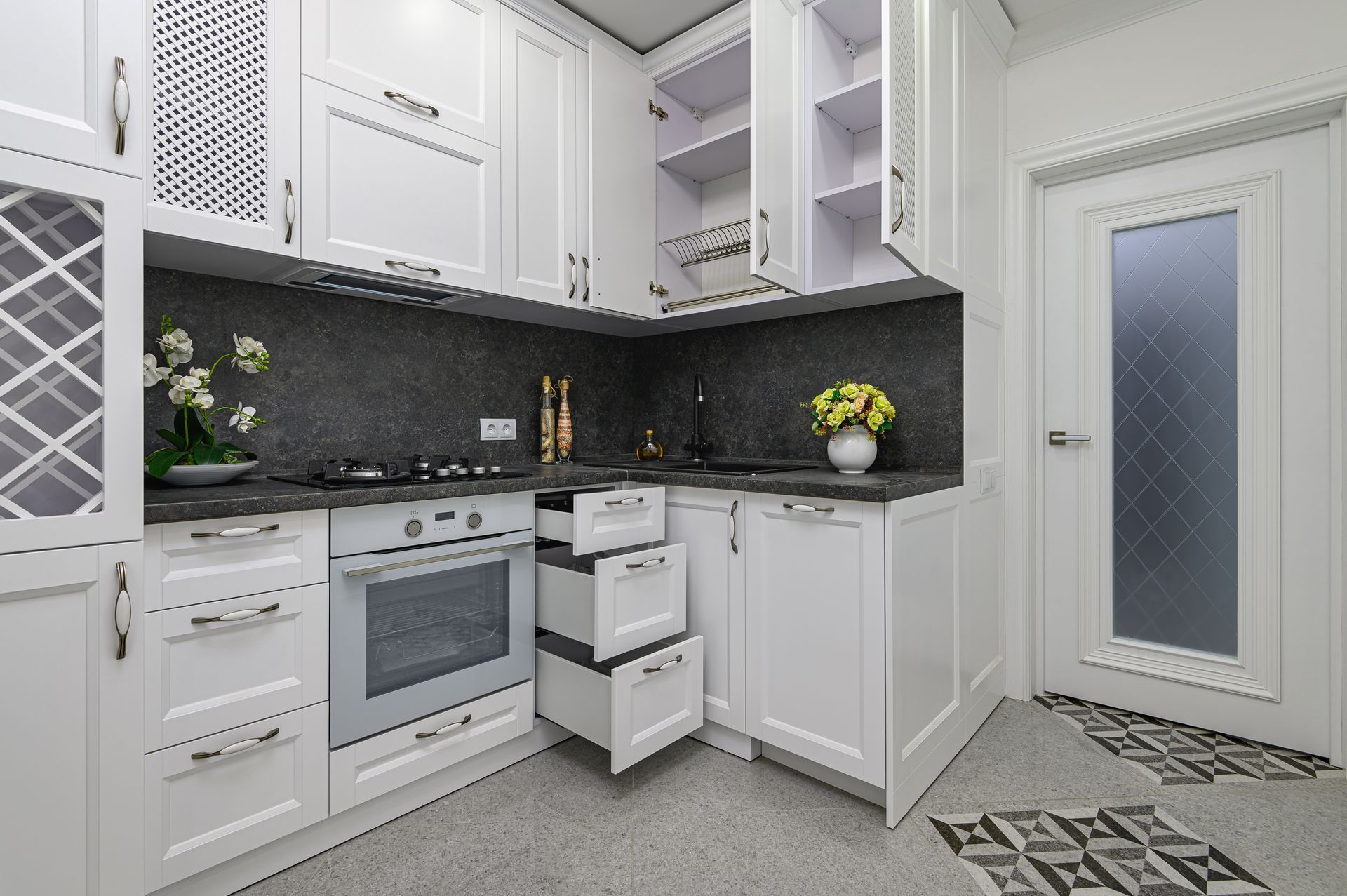
If you've been following design trends at all, you've noticed that the all-white kitchen with cold gray countertops is officially on its way out. Boston-area homeowners are gravitating toward what designers are calling "Quiet Luxury" and "Biophilic" design: spaces that feel warm, grounded, and organic rather than sterile and showroom-stiff.
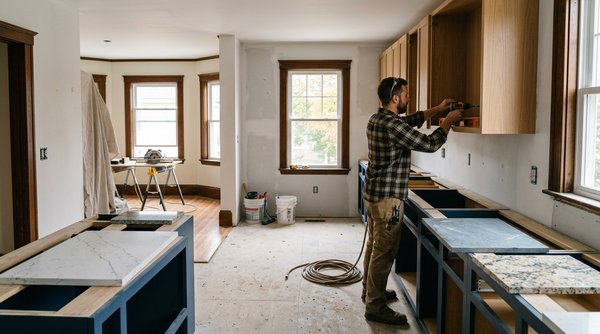
In practical terms, this means mixing natural wood tones like white oak or walnut with painted cabinetry to create layered, customized spaces. It means textured finishes, warm hardware, and materials that invite you to actually live in your home rather than preserve it like a museum exhibit.
For a custom carpenter, this trend is exciting because it rewards craftsmanship. These are not stock cabinet installs. They are tailored builds that require precise millwork, thoughtful material selection, and the skill to blend painted and natural wood finishes in a way that looks intentional rather than accidental. Properly sealed and finished hardwoods also hold up against New England's notorious seasonal humidity, meaning your investment stays beautiful for years rather than warping and peeling after a few rough winters.
The Structural Reality of Remodeling Older West Roxbury Homes
Here's the part that surprises many homeowners: the biggest challenges in a West Roxbury remodel often have nothing to do with design choices. They live inside the walls and under the floors.
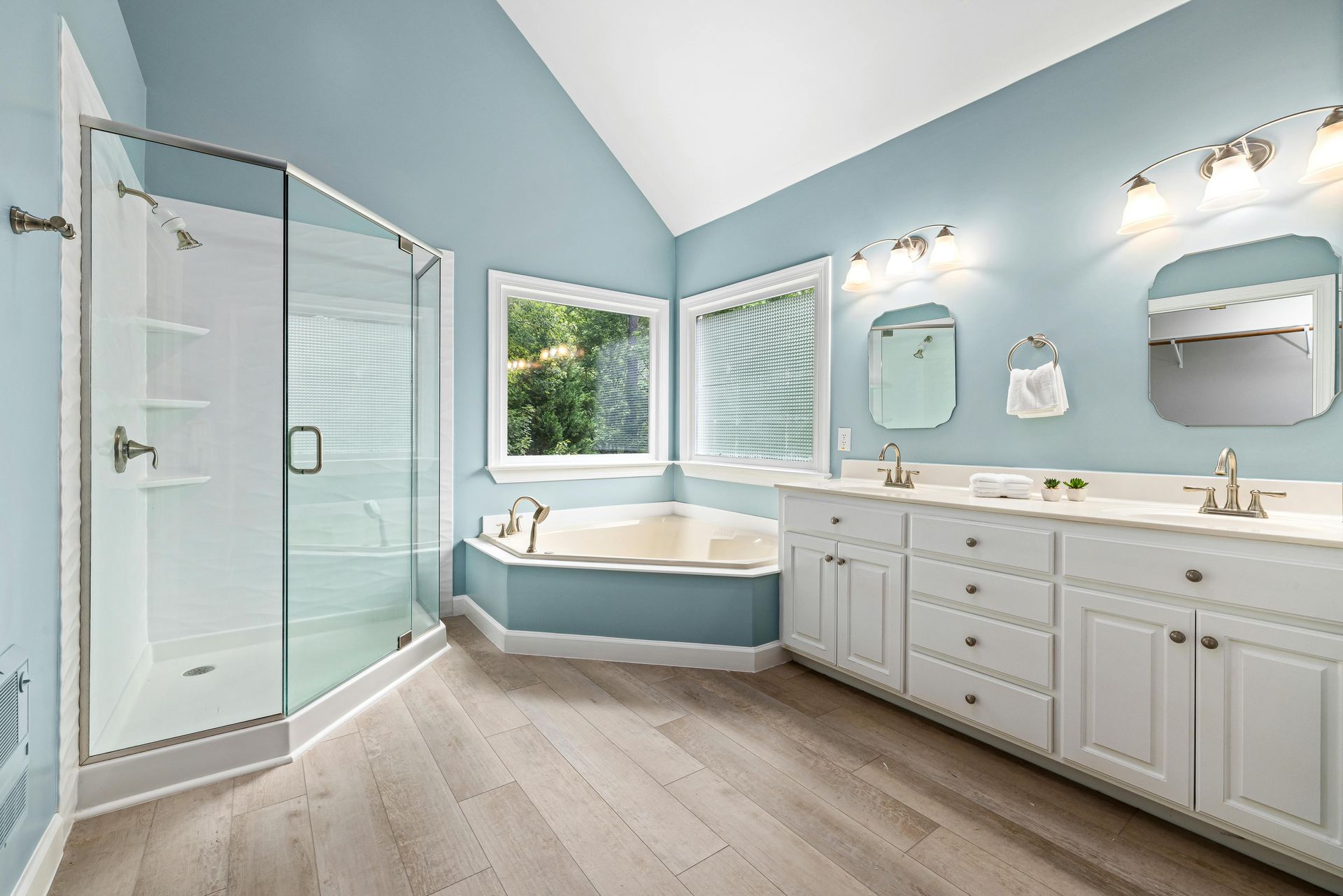
The neighborhood is rich with beautiful homes dating back to the late 19th and early 20th centuries. That character and charm come with a structural reality that modern renovation demands can quickly expose. A homeowner who wants a curbless walk-in tile shower or a heavy cast-iron soaking tub will almost always discover that the original floor joists weren't built to handle that kind of load.
The solution is a process called "sistering," where new lumber is bolted alongside existing joists to reinforce them and bring them up to level. It's not glamorous work, but it is absolutely essential for a safe, long-lasting result. Skip this step and you're looking at cracked tile, sloping floors, or worse down the road.
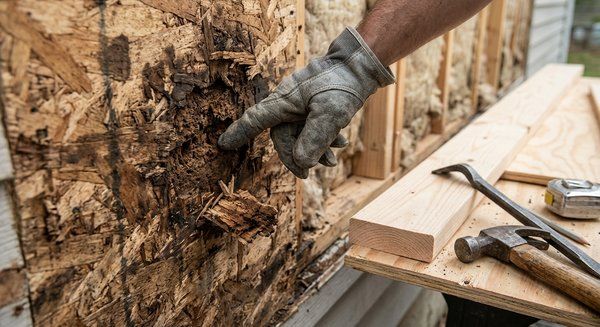
Historic Boston homes also present a ventilation challenge. The original masonry and plaster construction needs to breathe, which means a bathroom remodel requires advanced topical waterproofing membranes rather than traditional vapor barriers. Without them, moisture migrates through the wall assembly, a process called vapor drive, and hidden mold or wood rot can develop inside walls that look perfectly fine from the outside. An experienced local carpenter who has worked in these homes knows exactly where these risks live and how to address them before they become expensive problems.
Outdoor Living: Building Decks That Survive New England
No discussion of West Roxbury remodeling is complete without talking about outdoor living. Decks and outdoor spaces remain one of the most in-demand projects for New England homeowners, and for good reason: well-executed outdoor space adds usable square footage and serious curb appeal.
The challenge is building something that actually survives here. Traditional wood decks take a brutal beating from freeze-thaw cycles, wet springs, and humid summers. That's why regional contractors have shifted decisively toward high-performance composite and PVC decking systems that resist warping, splintering, and rot.
But here's what homeowners don't always hear: the composite boards themselves are only part of the equation. The structural framing underneath is where most decks fail. Incorrectly installed deck flashing, the moisture barrier between the deck ledger and your home's exterior, is one of the leading causes of rim joist rot and serious structural damage. Getting the framing, blocking, and flashing right requires the kind of experience that only comes from building dozens of decks in this specific climate.
Ready to Start Your West Roxbury Remodel?
Whether you're thinking about a kitchen refresh, a bathroom gut job, a custom built-in, or a new deck, the smartest first step is a conversation with a carpenter who knows these homes and this neighborhood.
Frequently Asked Questions
How do I know if my older West Roxbury home needs floor joist sistering before a bathroom remodel?
If your home was built before 1950 and you're planning to add a heavy tile shower, cast-iron tub, or curbless wet area, there's a strong likelihood the original joists will need reinforcement. A qualified carpenter will assess the existing framing before any demolition begins and let you know exactly what structural work is required.
What is the best decking material for New England weather?
Composite and PVC decking systems are the top choice for homeowners in the Boston area because they resist moisture, rot, and the freeze-thaw damage that destroys traditional wood decks. That said, the quality of the structural framing and flashing beneath the deck is just as important as the boards you choose for the surface.
Are warm wood tones really better for resale value than white kitchens?
Current market data from the Greater Boston area suggests that kitchens and bathrooms using warm, natural materials and mixed wood tones are generating strong resale returns, in the range of 80% to 113% ROI. While design preferences vary, the shift away from cold, all-white finishes is well established and reflects what local buyers are actively seeking.
How long does a typical kitchen remodel take for a West Roxbury home?
Most kitchen remodels in older homes run between four and eight weeks depending on the scope of work, material lead times, and any structural issues uncovered during demolition. Homes with original plaster walls or outdated electrical and plumbing often require additional prep work before finish carpentry can begin.
Can custom built-ins really replace the need for a larger home?
In many cases, yes. Thoughtfully designed built-ins, including mudroom cubbies, under-stair storage, built-in bookshelves, and multi-use home office setups, can dramatically increase the functional square footage of a compact home. For West Roxbury homeowners constrained by lot size and zoning, interior customization is often the most effective way to add livability without adding cost.